TAP: Did you grow up in a musical family?
JS: Yes, my family was very musical. My mother played the organ in church and my father had a beautiful tenor voice. My brother plays rock guitar and is amazing. My grandfather could play almost any instrument down at the pub, and we used to all sing together as a family.
TAP: What was the first instrument you played?
JS: My mother’s pump organ when I was four. I would sit down and figure out hymn tunes and play them. I taught myself. We moved to Canada from England when I was six and, sadly, we didn’t have a family instrument for a number of years.
TAP: Did you take part in any music programs at school?
JS: Not really; it just didn’t work out for me. When I moved to a new town for grade nine, the music teacher gave me the one instrument left – a euphonium. I quickly lost interest. I simply studied piano privately and eventually became an Associate of the Royal Conservatory of Music as both piano performer and teacher. Later I attained a Bachelor of Arts in music and religious studies from the University of Winnipeg and a Bachelor of Church Music from the Canadian Mennonite University.
TAP: What instruments can you play now?
JS: I play the piano, the flute and my brother taught me guitar.
TAP: Do you have a favourite instrument?
JS: I’ve played the piano all my life, so I love that. I only started the flute a few years ago, but I have always loved its sound and have always wanted to play it. I know I will die happy knowing I took the time to at least learn it a bit, thanks to my dear friend Angela Mosher who volunteered to teach me. I love the flute and often write flute parts for whatever I compose.
TAP: When did you feel the urge to compose your own music, not just play the music
of others?
JS: I was in my thirties. I had done all the piano exams I wanted to do, but I still wanted to do music, so I decided I would try to write music. I could improvise, play by ear, but I had never actually composed music. So, I decided to give it a try. It was a real thrill, so I kept on doing it. Now I have boxes of music I’ve written and many choir anthems. A company called Canadian International Music published a lot of my choral pieces, but they went out of business a number of years ago, due to the decline of church choirs.
TAP: You have written for and conducted adult and children’s choirs. Which is more challenging: writing a hymn that an average congregation can sing or an anthem for an accomplished choir? I imagine there are challenges to both.
JS: Yes, they require very different skills. A hymn is more about combining words and music to make a really good piece. An anthem requires an intricate movement of the various voices and harmonies to make the piece interesting, dramatic and moving. For me, a successful choral piece would be a lot more challenging.
TAP: A number of your hymns can be found online. Tell me about the ones in hymnals.
JS: Yes, I have a number of hymns and hymn tunes in the United Church’s More Voices. Some of these have been published elsewhere: in the United Church of Christ hymn book in the U.S., and in a Church of Scotland’s hymnal.
TAP: What motivates you to compose?
JS: I think I’m kind of emotionally invited to compose. I have a thought, or a melody, and sometimes when I’m playing some little fragment comes to me – I feel good, and away I go. I just write what is needed at the moment. Composing is like breathing for me.
TAP: What usually comes first for you, the music or the lyrics?
JS: The music comes to me more easily, but sometimes they come at the same time. It’s different each time. Sometimes the whole thing comes flooding in and sometimes I have to piece it together one note or word at a time. One of my favourite choral pieces is “All That is Beautiful,” which I based on the passage from Phillipians 4:8.
TAP: Does the liturgical year help inspire you as a composer? Your four-part a capella piece “If We Share” seems a haunting piece for Holy Week, combining as it does both Romans 8:17 “…if indeed we share in his sufferings in order that we may also share in his glory” with the man of sorrows in Isaiah 53.
Yes, I’ve written lots of anthems for the various church seasons, many suitable for a small- or average-size choir.
TAP: You seem to like combining words from both testaments.
JS: Yes. “All Who Are Tired and Weary” combines Matthew 11:28-30 with Isaiah 40:28-31. In 2009 it won in the Great Canadian Hymn Competition sponsored by Pax Christi Chorale in Toronto.
TAP: Do you have a favourite composer?
JS: J.S. Bach is my favourite. He could do it all. His counterpoint is exquisite; his melodies divine. He could compose as if he were breathing. He took the most profound spiritual theme and turned it into a masterpiece. His keyboard works are surpassed by no one. His books of Preludes and Fugues are sheer genius!
TAP: Are there any themes that do not get enough attention in worship music?
JS: Much of the church music being written today is quite impoverished in its theology. The depth of meaning of the Death of Christ is not explored, nor the Resurrection, the Beatitudes, the words of Christ, the wisdom of the Bible, the whole gamut of what it means to follow Christ.
TAP: As an accredited piano teacher, you have taught students for many years. Do you have any advice for a piano teacher?
JS: I think there are very few professions or jobs where you have the privilege of being one-on-one with a student, and the effect that you might be able to have on that student is profound. I saw my job as a holy task and would pray that I could be like Christ to the student. When I first started teaching, many parents just wanted their children to take piano as part of their education. There is nothing wrong with this because all learning is good, especially music. However, as the years went by, I became aware that more of the students had asked their parents for lessons. This was more rewarding as these students were motivated.
I discovered there were two kinds of students. There were those who learned to read music and play beautifully, but if you took the music away, they couldn’t play a thing. I tried to teach these students how music was formed, and how simple melodies could be harmonized. Some students found this interesting. I did some group lessons where students would play different parts of a song and when all played together it would make a whole piece.
Then there were students who could play by ear and I would encourage this. These students often did not want to bother with the sheet music since trying to read it only slowed them down. I fell into that category, so I understood. I tried to convince them that learning to read music was part of the deal. I was successful sometimes, but not always.
TAP: What if the student is especially talented?
JS: There were a few times I had an extremely talented student and then I’d pass them on to another teacher.
How do you handle a student who is only there because a parent is pushing that
child?
JS: I would show that I cared for this student and would help them learn the best I could. They often became interested in music and became good students.
TAP: You see being a piano teacher as a holy task. Do you feel that being a composer is also for you a calling, a vocation?
JS: It has always been my dream that anything I compose will draw people to God! I don’t feel I am especially accomplished or out of the ordinary. I have tried to do the best with the gifts that God has given me and if one person has moved closer to God or felt God’s presence because of it, I feel thankful. TAP
------------------------------------------------------------------------------------------------------------
By Judith Snowden
SATB & Piano
Some said he was a prophet, others said he was a King
I heard he was the Son of God and knew all things.
I watched him hold the children so gently on his knee
He healed the unclean lepers, and he set them free.
What did he do to deserve a death of such brutality
Exposing his shame and suffering for all the world to see
Why would God choose to embrace humanity
And become the one on the tree.
They plotted to arrest him, and the Pharisees agreed
Guilty of the crime they said was blasphemy
They mocked him and they beat him, and they hung him there in shame
But little did they know his death was not in vain.
What did he do to deserve a death of such brutality
Exposing his shame and suffering for all the world to see
Why would God choose to embrace humanity
And become the one on the tree.
What did we do to deserve a God who cares for you and me
Willing to die so he could share in our reality
Willing to take our sin and bear our agony
Jesus Christ, the one on the tree
He died for me. TAP
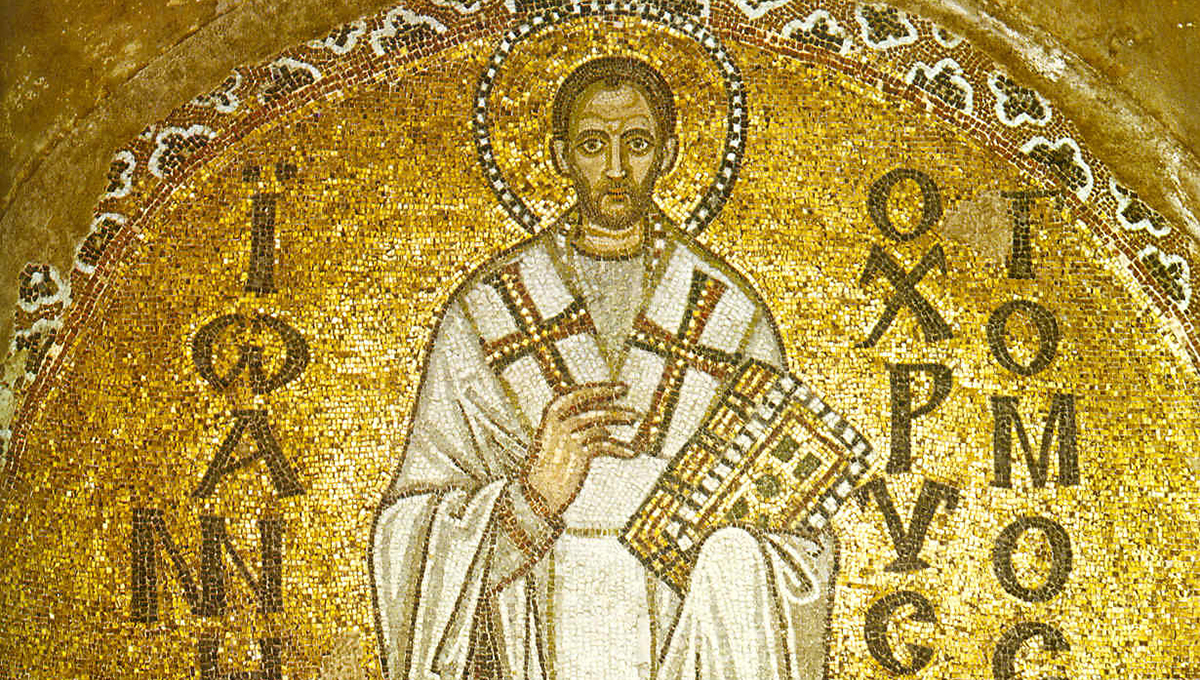
IN THE FOURTH century, in the region we now know as Turkey, there lived a pastor named John. Although his life was relatively short (he died at the age of 58) he has had an enormous impact on the Christian church. John was incredibly gifted, intense, and deeply serious about his faith. Not long after his conversion, he withdrew from society to live as a hermit for several years. He allegedly spent two full years doing nothing but memorizing the Bible while standing up. It was a rigorous discipline; he hardly slept, and his health was permanently damaged by the ordeal.
continue reading
ONCE when a friend and I were having coffee and chatting about hell, as friends do, and I grew increasingly squeamish at the topic, as one does, my friend surprised me by saying: “Why would someone bother sharing the gospel, if they weren’t thinking about saving someone from going to hell?”
continue reading
POOR Pierre Poilievre, leader of the Conservative Party of Canada. On the one hand, a part of his base thinks he is too mild. That he should be more outraged in response to a long list of grievances from the past years. On the other hand, media pundits (and, indeed, the polls) suggest he may be too pugnacious, too negative, to really appeal to the broader Canadian public. We’ll see if his new advisor, Steve Outhouse, can help him pivot to a new, more positive and visionary tone, to give him renewed hope of electoral success.
continue reading
Judith Snowdon is an accomplished Canadian composer and arranger of choral, instrumental and worship music. For more than three decades she has received commissions from choirs as well as awards for her work. The Royal Conservatory of Music and the Canadian National Conservatory of Music have published many of her piano pieces for their students, while several of her hymns have appeared in denominational hymnals. Sue Careless asked the New Brunswick Anglican more about her musical journey.
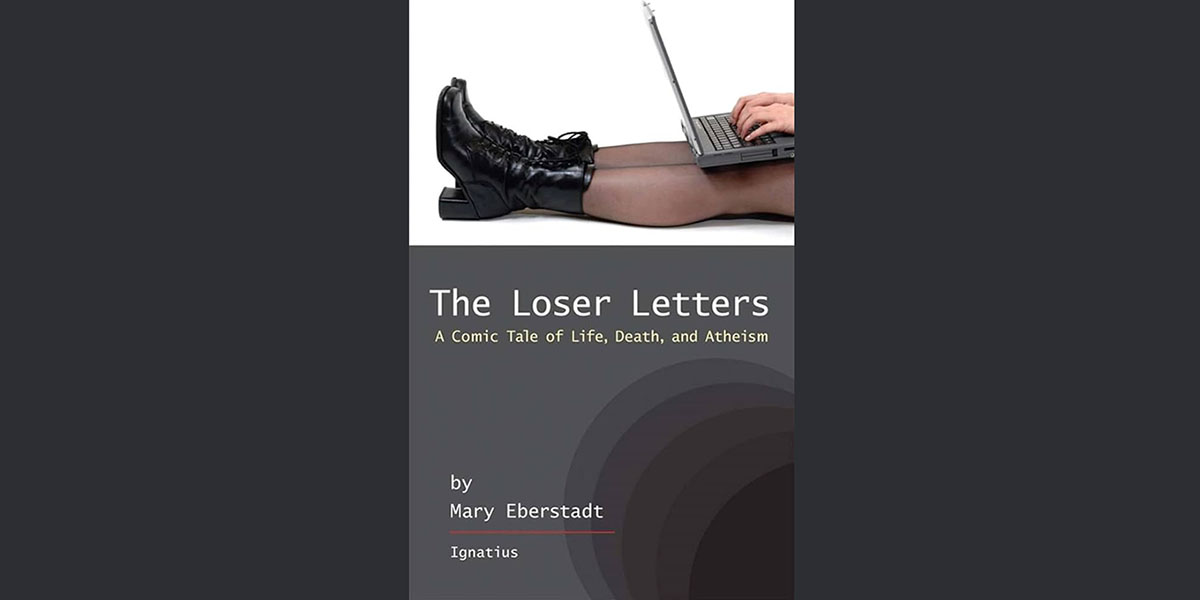
IT IS 84 years since C.S. Lewis published The Screwtape Letters: Letters from a Senior to a Junior Devil. The year was 1942, the middle of the Second World War, when victory for the free world was by no means certain. It quickly became a wartime bestseller.
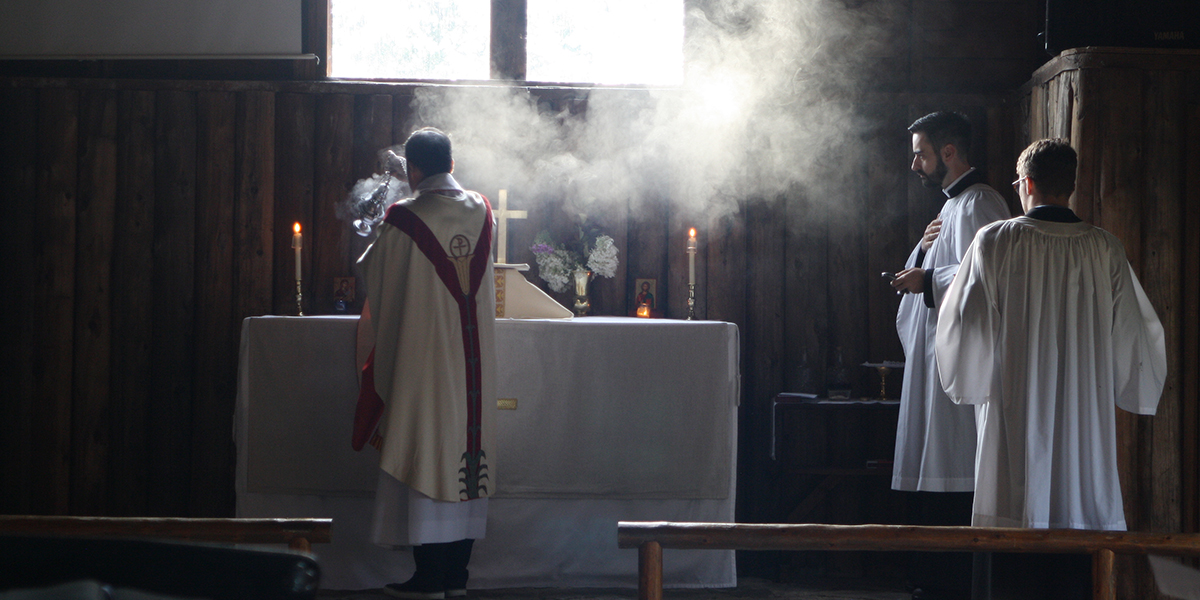
This sermon was preached on May 3rd as part of an Eastertide homily series on the spiritual senses held at St. Thomas’s Anglican Church in Toronto.
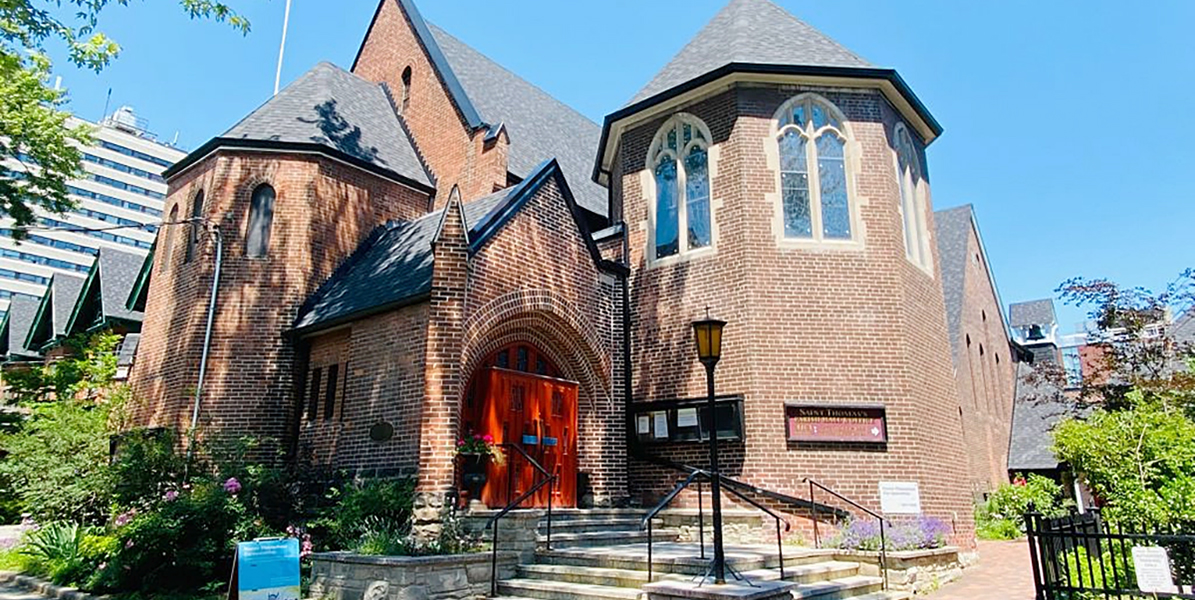
AN Easter homily series on the spiritual senses got off to a strong start on April 12 at St. Thomas’ Anglican Church in Toronto.
Copyright © 2026 The Anglican Planet. All rights reserved